

Creatine: Why bother? Here are 5 reasons.
Since we've all heard of creatine, let's have a chat and look a little deeper. Creatine has long been recognized as one of the most effective and extensively researched sports supplements available. While it is best known for increasing strength and muscle mass, emerging research has revealed that the benefits of creatine extend far beyond the gym. Because creatine helps replenish cellular energy, it may support healthy function in muscles, the brain, and other energy-demanding tissues.
Understanding the Different Types of Creatine
Several forms of creatine are available on the market, each designed to improve absorption or reduce digestive discomfort. The most common types include:
Creatine Monohydrate – The gold standard and most thoroughly researched form. It offers excellent effectiveness, safety, and value.
Creatine Hydrochloride (HCl) – Highly soluble in water and often marketed as requiring smaller doses while reducing stomach discomfort.
Buffered Creatine – Formulated with a higher pH to improve stability in the stomach and reduce conversion to creatinine. It is believed that buffering can reduce potential side effects such as bloating.
Creatine Magnesium Chelate (CMC) – CMC means the creatine molecule has been bonded with magnesium. In theory, the addition of magnesium will help the creatine enter the muscle cells more efficiently, however, there is limited research to prove efficacy.
Creatine Ethyl Ester (CEE) – Designed to improve cellular uptake, although research has generally found it to be no more effective than creatine monohydrate.
Micronized Creatine – Creatine monohydrate processed into smaller particles for improved mixing and potentially easier digestion.
Despite the availability of many forms, creatine monohydrate remains the most scientifically supported option, with decades of research demonstrating its effectiveness and safety.
Why use it? Here are 5 benefits.
1.) Supports Muscle Growth, Strength, and Exercise Performance *
Creatine's reputation as a muscle-building supplement is well deserved. During high-intensity exercise, muscles rapidly consume adenosine triphosphate (ATP), the body's primary source of cellular energy. Creatine replenishes your muscle's phosphocreatine, which in turn helps build more ATP, allowing muscles to perform at higher intensities for longer periods.
Over time, the ability to train harder and recover more efficiently contributes to significant improvements in muscle size, athletic performance, and overall physical function.

An increased in available energy can help:
Increase output of power and strength
Improve sprint and explosive performance
Supports an increase in endurance
Accelerate muscle recovery between sets
Promote lean muscle growth when combined with resistance training
2.) Supports Memory, Learning, and Mental Focus
The brain consumes a tremendous amount of energy every day. Like skeletal muscle, brain cells rely on ATP to perform demanding tasks such as learning, problem-solving, memory formation, and maintaining attention. Creatine supplementation may help increase the availability of cellular energy within the brain, particularly during periods of high cognitive demand, sleep deprivation, aging, or mental fatigue. These benefits appear to be especially noticeable in older adults, vegetarians, and individuals whose dietary creatine intake may be lower. ***
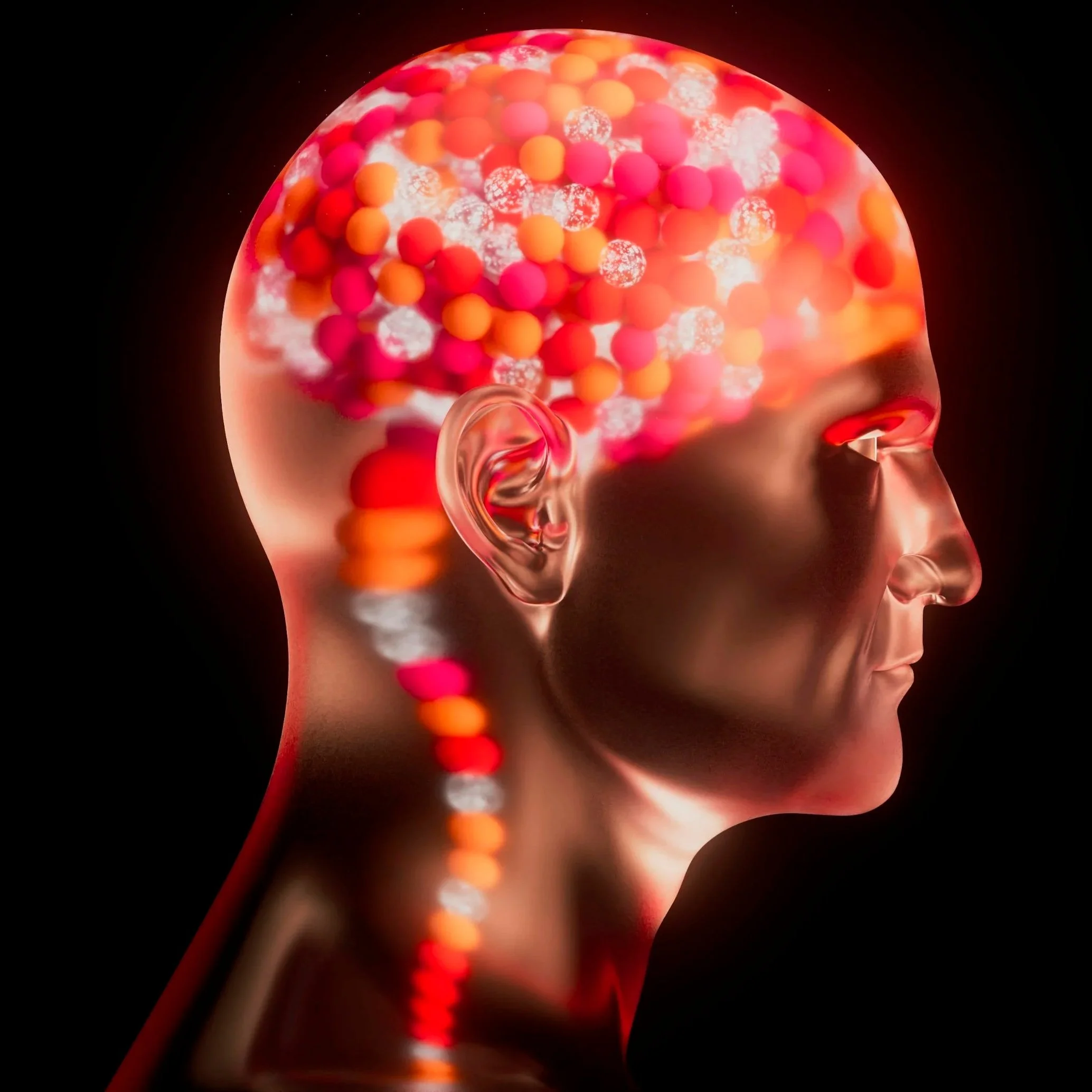
Research suggests creatine may help support: ****
Working memory
Short-term memory
Learning capacity
Mental clarity
Focus and concentration
Cognitive performance during stress or fatigue
3.) May Help Protect the Brain in Parkinson's Disease
Parkinson's disease is characterized by the gradual loss of dopamine-producing neurons, leading to tremors, impaired movement, stiffness, and balance problems. One contributing factor is impaired energy production within brain cells and increased oxidative stress.** Because creatine helps improve cellular energy availability, researchers have investigated its potential role in supporting brain health in Parkinson's disease. While creatine is not a treatment or cure for Parkinson's disease, its role in maintaining healthy cellular energy continues to make it an area of active scientific interest.

Although clinical studies have produced mixed results regarding slowing disease progression, laboratory and preclinical research suggests creatine may:
Support mitochondrial function
Help reduce oxidative stress
Improve cellular energy metabolism
Enhance the resilience of nerve cells under metabolic stress
4.) May Help Preserve Cognitive Function During Dementia
As people age, changes in brain energy metabolism can contribute to declining cognitive performance. Dementia is associated with impaired communication between neurons, reduced cellular efficiency, and progressive cognitive decline.
Because creatine supports ATP production, researchers have begun investigating whether supplementation may help maintain brain energy levels as cognitive function changes with age. Although more human clinical research is needed, maintaining adequate cellular energy may become an increasingly important strategy for supporting healthy brain aging.

Emerging evidence suggests creatine may help support:
Overall cognitive performance
Mental processing speed
Working memory
Daily cognitive function
Healthy neuronal energy metabolism
5.) Creatine and Alzheimer's Disease
Alzheimer's disease is associated with progressive memory loss, impaired thinking, and widespread degeneration of brain cells. Researchers have discovered that abnormalities in the way the brain metabolises energy may occur at an early stage in the disease, even before significant symptoms appear. *****
Creatine's ability to improve cellular energy production has made it an area of growing interest in Alzheimer's research.
While current evidence is promising, creatine has not been proven to prevent, treat, or reverse Alzheimer's disease. Larger clinical trials are needed to determine the scope of its therapeutic potential. However, its excellent safety profile and well-established role in supporting cellular energy continue to make it an exciting area of neurological research.

Current evidence suggests creatine may help support:
Healthy mitochondrial function
Neuronal energy production
Resistance to oxidative stress
Normal cellular resilience
Overall brain health during aging
The Bottom Line
Creatine is far more than a sports nutrition supplement. Its ability to enhance cellular energy production makes it one of the most versatile nutritional compounds available. From improving strength and muscle growth to supporting memory, focus, and healthy brain aging, creatine continues to demonstrate benefits across multiple areas of health.
Although research into neurological conditions such as Parkinson's disease, dementia, and Alzheimer's disease is still evolving, the growing body of evidence highlights creatine's potential role in supporting healthy brain function alongside its well-established performance benefits in the gym.
Whether your goal is building muscle to become the Adonis we know you are, improving cognitive performance, or supporting long-term overall wellness, creatine monohydrate remains one of the safest, most effective, and scientifically validated supplements available.